SOCIAL MEDIA

Sign up to follow this blog:
Wednesday, February 29, 2012

Westinghouse Melmac History : A Million Bucks in 10 Weeks

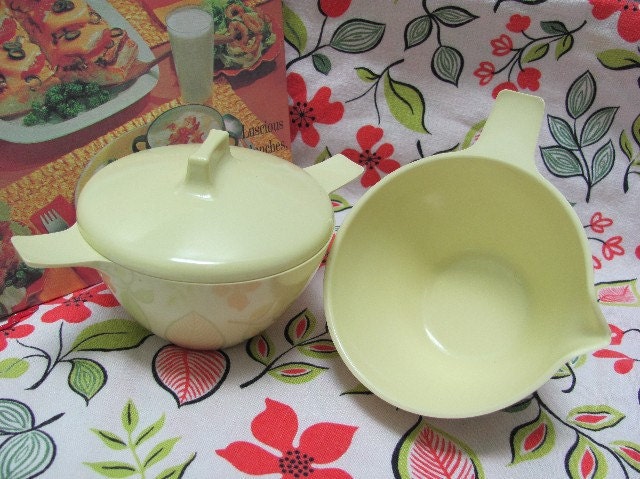
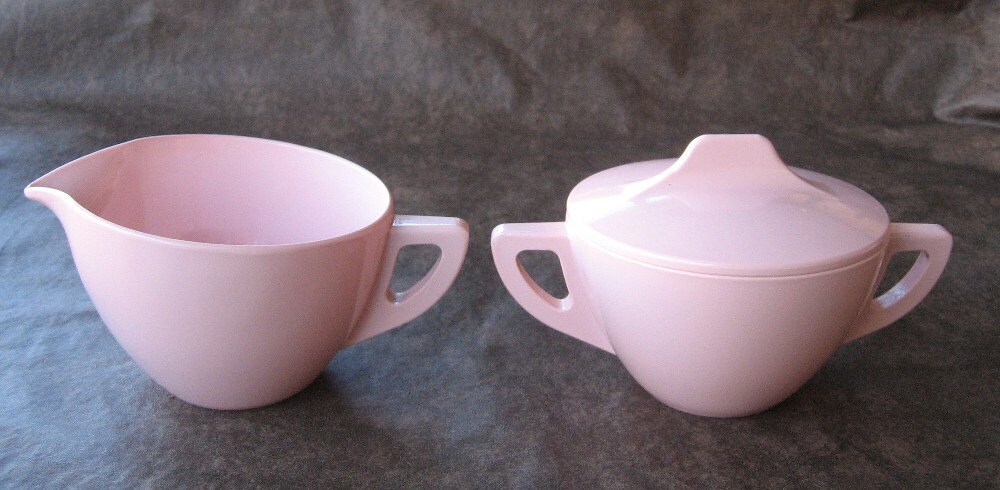
newport creamer and sugar picture
Newport cream and sugar by Westinghouse. Find it at  loves2frame.
Yep, that's right. Westinghouse as in those "appliance folks" that date back to 1886. They acquired the  Bryant Electric Company of Bridgeport, Connecticut in 1901.  Bryant acquired Hemco plastics in 1928.  So, therefore, the whole Westinghouse - Bryant - Hemco - associated thing came to be.  


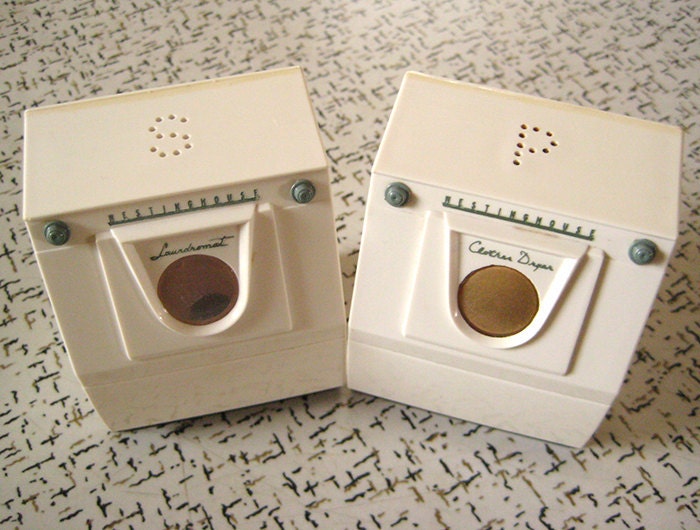
Westinghouse Plastics Phoot
Oh how cool it would be to mold up your own promo items. These are only $14 at MyRetroStuff.

The plastics division in Bridgeport was big in 1940's wartime production of helmet liners and economy plastics.  On top of that, it made parts for their electrical lines such as housings, switches, and casings. Now add on all the plastic parts for their appliances.  They parts would be for their fans, stoves, washers, dryers, dishwashers, freezers, fridges, just about anything you can think of appliance wise coming out of Westinghouse. From a plastic dishwasher rack to a plastic stove knob. So why not dishes?  Not that far off right?
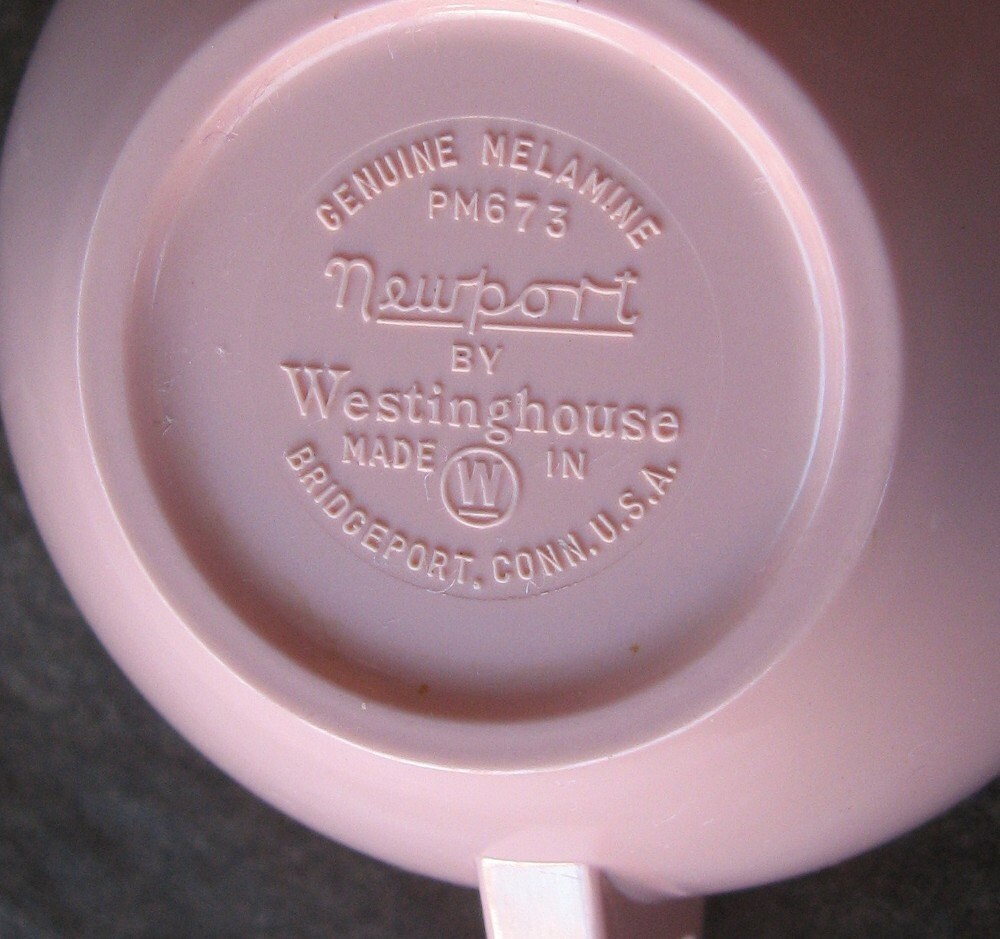
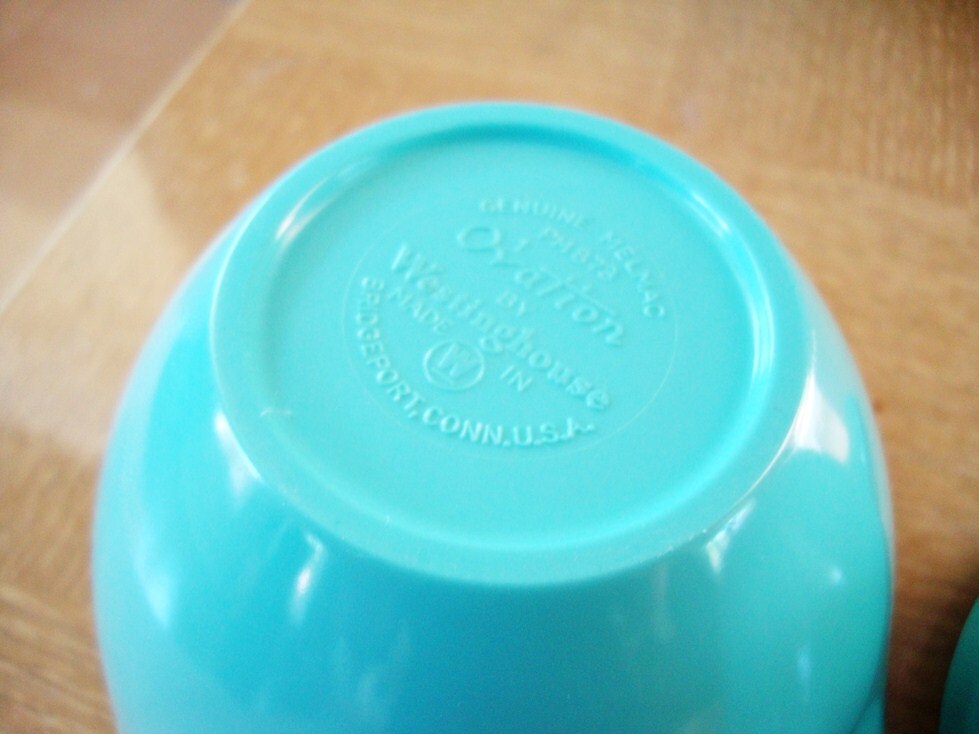
Melmac backstamp Westinghouse picture
Backstamp Courtesy and pieces available at Loves2Frame on Etsy

By the 1950's Westinghouse had a good market share for plastic dinnerware between the Westinghouse "Newport" , "Darien" and "Ovation" lines ,among several others. Add that to the fact Hemco, Hemcoware, and Hemcolite were being alternately produced under the Hemco backstamp (these wares ranging from a lightweight picnic ware to heavier melamine pieces.)  I do find it odd that Westinghouse's lines were competing with it's own Hemcoware lines but perhaps that's part of their whole marketing tactic. You can see more photos of products here on my other blog post about Westinghouse.
A and P store logo
Photo: Wikipedia Commons

My research has led me to a very interesting article published in 1958 by Decker Communications. It appears Westinghouse wanted to sell their melmac in grocery stores. They went to A&P stores ( The Great Atlantic & Pacific Tea Company, Inc., which operates A&P--some may still be in operation today.)  With the help of an 8 foot corregated cardboard display unit, also called a "merchandiser", the sets were spot tested in 400+ stores in and around New York City.  Sales hit a million dollars in ten weeks.
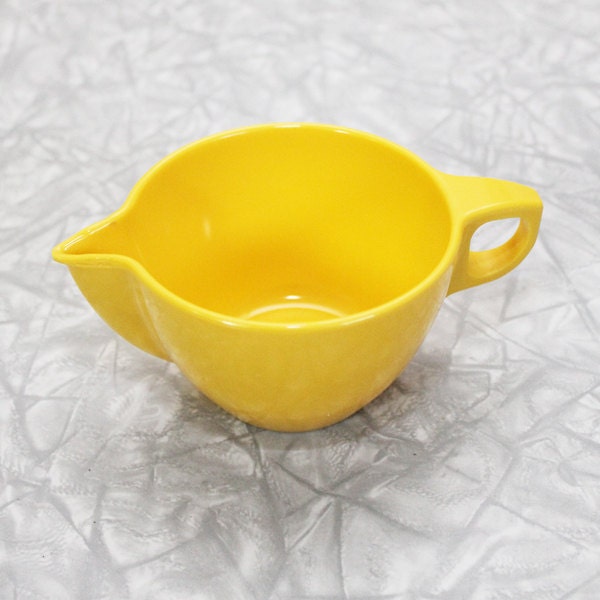
creamer sugar photo
Newport Creamer and Sugar at OldLikeUs

That's a lot of dough for plastic dishes, even back then. So  it's safe to say I'm giving Westinghouse a pat on the back. I do have to sit and wonder, if that was the case, and they sold so many darn dishes, where the heck did they all go?   Sadly most of the Westinghouse marked examples I've seen are on the thin side, and have lots of scratches. I suppose it's safe to say the housewives may have really used them to death. 

Did you use Westinghouse? Tell me about it!

Saturday, February 25, 2012

GPL Watertown Canadian Melamine DND

The Real Deal: Watertown Lifetime Ware available at TheSquirrelCottage
I don't talk a lot about Watertown Lifetime Ware designed by Jon Hedu probably because there's a whole great site by Christopher McPherson dedicated to it , called Plastic Living!  However, I do have to chime in once in awhile when I find or see something unique or truly despicable.  Awhile ago I interviewed Paul Rothstein from Maple Leaf Plastics (MAPLEX, and later Rainbow), owner of two out of three great Canadian melmac factories.   In talking with Paul, I mentioned that a lot of Canadian melamine lines resemble their American counterparts. He assured me they weren't copying American designs, (or vice versa), as copyrights did apply--even back then big trouble would have ensued!
If this isn't a Watertown Creamer Knock-off, I don't know what is. Marked GPL available at JessiRetro

A lot of people assumed that when America was done with their molds perhaps they were sold off to Canada--but this is not so. Oddly if you trace back GPL in Canada, (General Plastics Limited)--they were producing lines of industrial dinnerware that looks so much like Watertown Lifetime Ware it's not funny.   Around the same time in the states Watertown pretty much dried up  (after being sold to Northern who went out of business soon thereafter). Many just assumed this was the trail...perhaps it made sense date-wise. However, I gave Canada much more credit. They weren't waiting for anything. You see, while our grandmothers were making turkey on Watertown Lifetime Ware the Canadian granny was setting her table with GPL.
Watertown dinnerware sold at FortheBettys, as you can see the creamer here looks just like the GPL above.

For one, if these were American molds the dishes and pitchers would measure exact and they aren't....off by only a small bit. So this means that there is no way they could be using the same exact molds that were used in America. (Molds were very expensive and made out of steel or metal which were tooled to have an upper and lower mold cavity which would press the melmac into the dishes using giant hydraulic compression molding machines.) Now of course all that old metal is replaced with computerized molding presses.  

The ONLY other plausible possibility is that American designers licensed their products to be distributed in Canada, however, if this was the case, they would have been happily marketed under the same names or at least have been the same sizes--and they weren't.


TinsandThings has this great Watertown Lifetime Ware knock off pitcher !
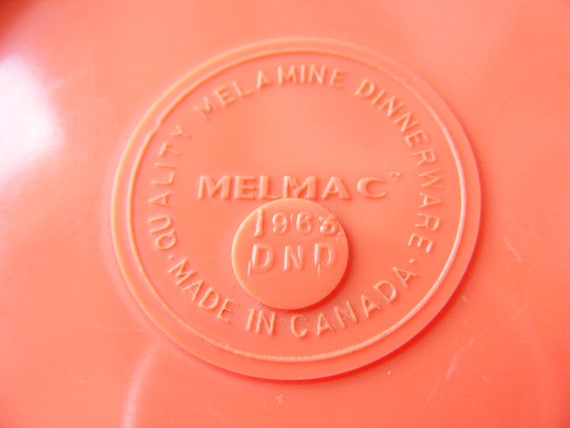
As you can see it's marked "DND"  which to me is odd, normally marked GPL.  Could DND have bought GPL in the 1960's?

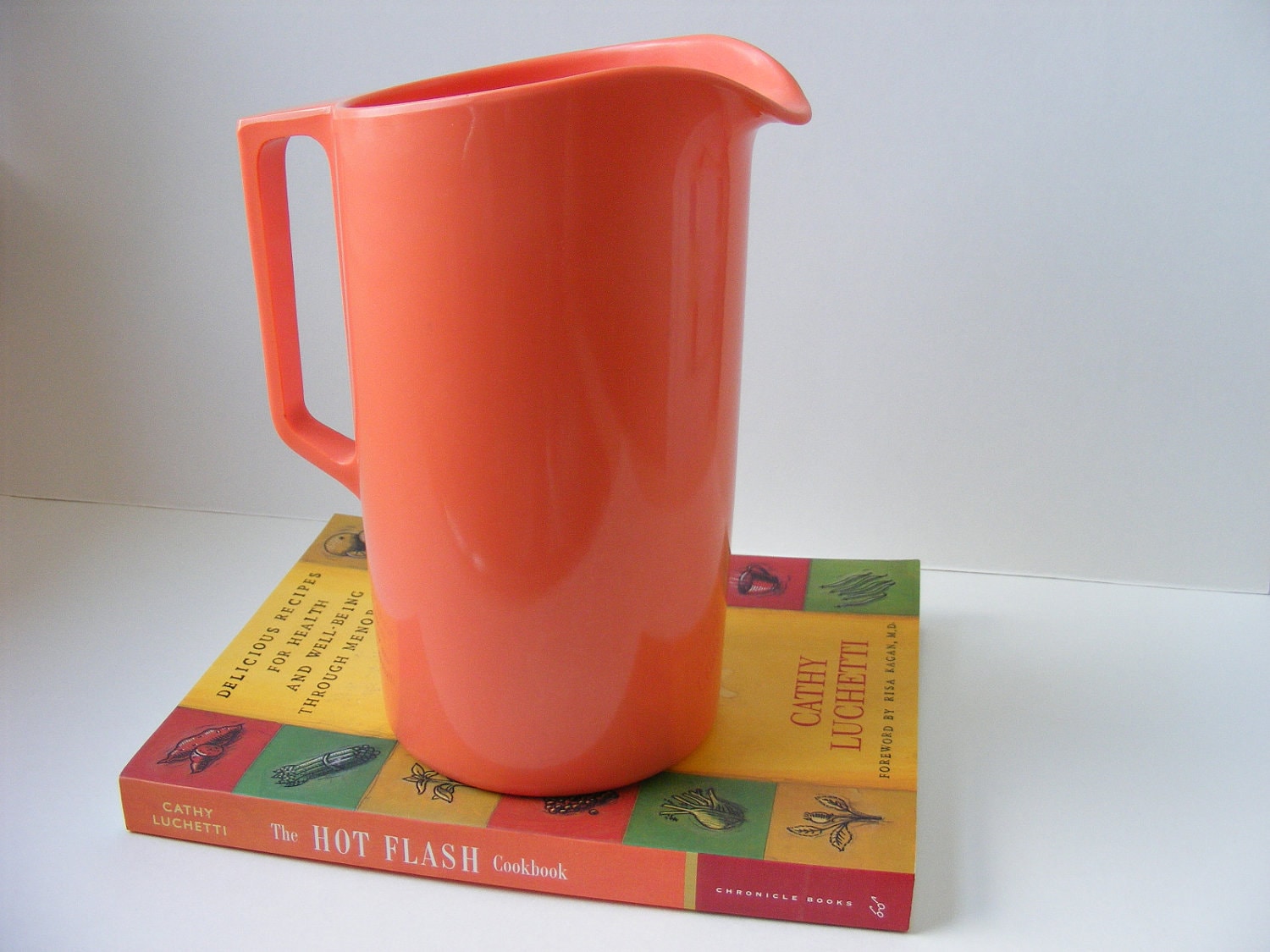
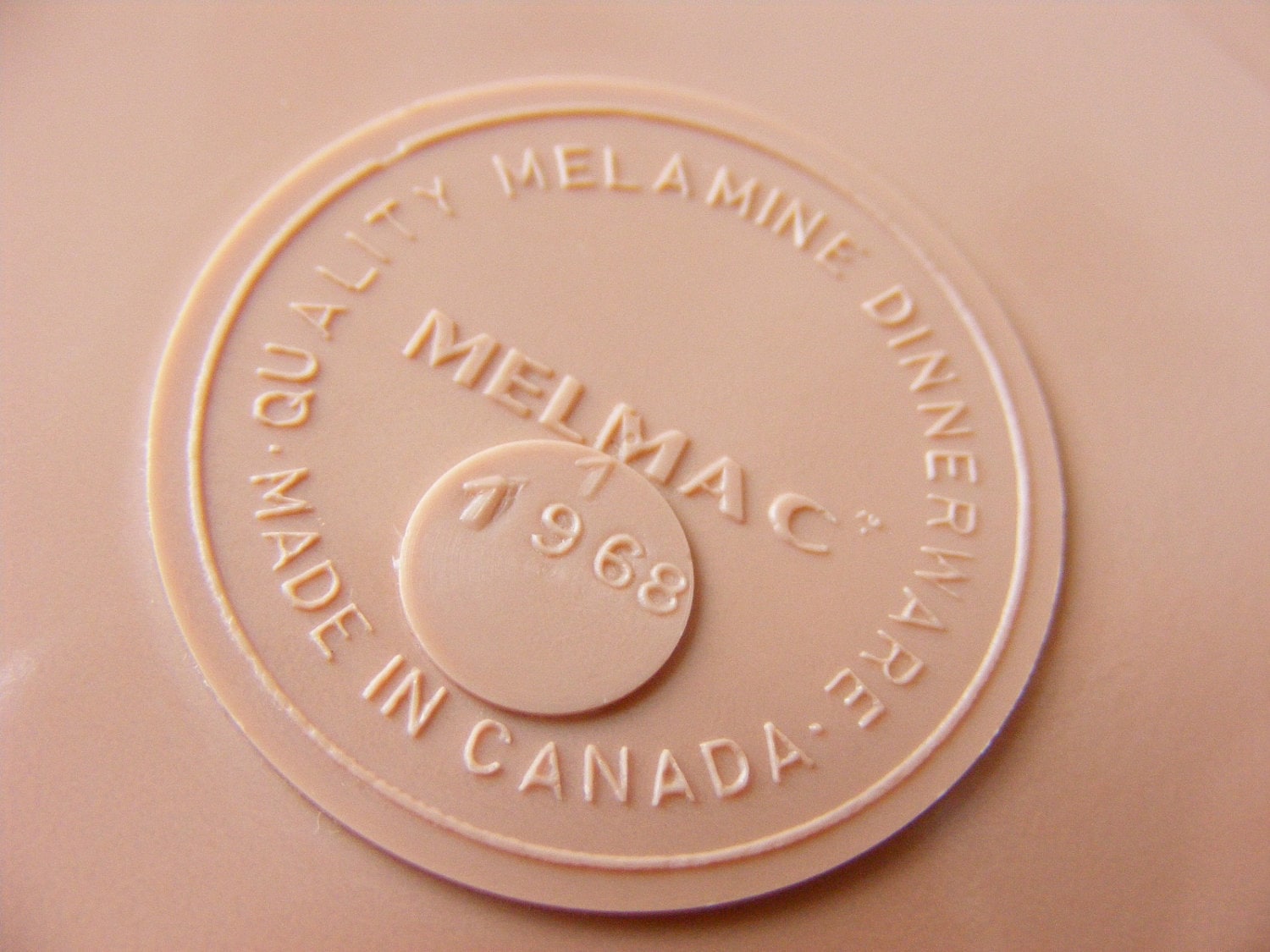
Here's another backstamp from TinsandThings pitcher, showing a 1968 marking, this doesn't show the DND or GPL logo. Odd.
Now here is another strange discovery, apparently GPL either changed their name to DND or sold their molds to another company, per the examples above circa 1963-1968 from Canada with love.  In my opinion Canada was struggling in their plastic sales and may have been instructing their tool and die markers to make something similar to  NAME THE MELMAC LINE  American design.  It's nothing for America to be upset about - according to Paul melmac wasn't a huge seller in Canada like it was here in the states. He says, and I quote, "Sears sold more in one season in melmac dinnerware that most factories produced all year up here. " Canadians must have been a hard sell for plastic dishes, or may have though them junky.  I would probably not blame them, having a tea party on plastic may not have been feasible.  This was pre-internet and no one was selling used melmac then so why would we (or the designers) back then ever find out?

FOR COLLECTORS:
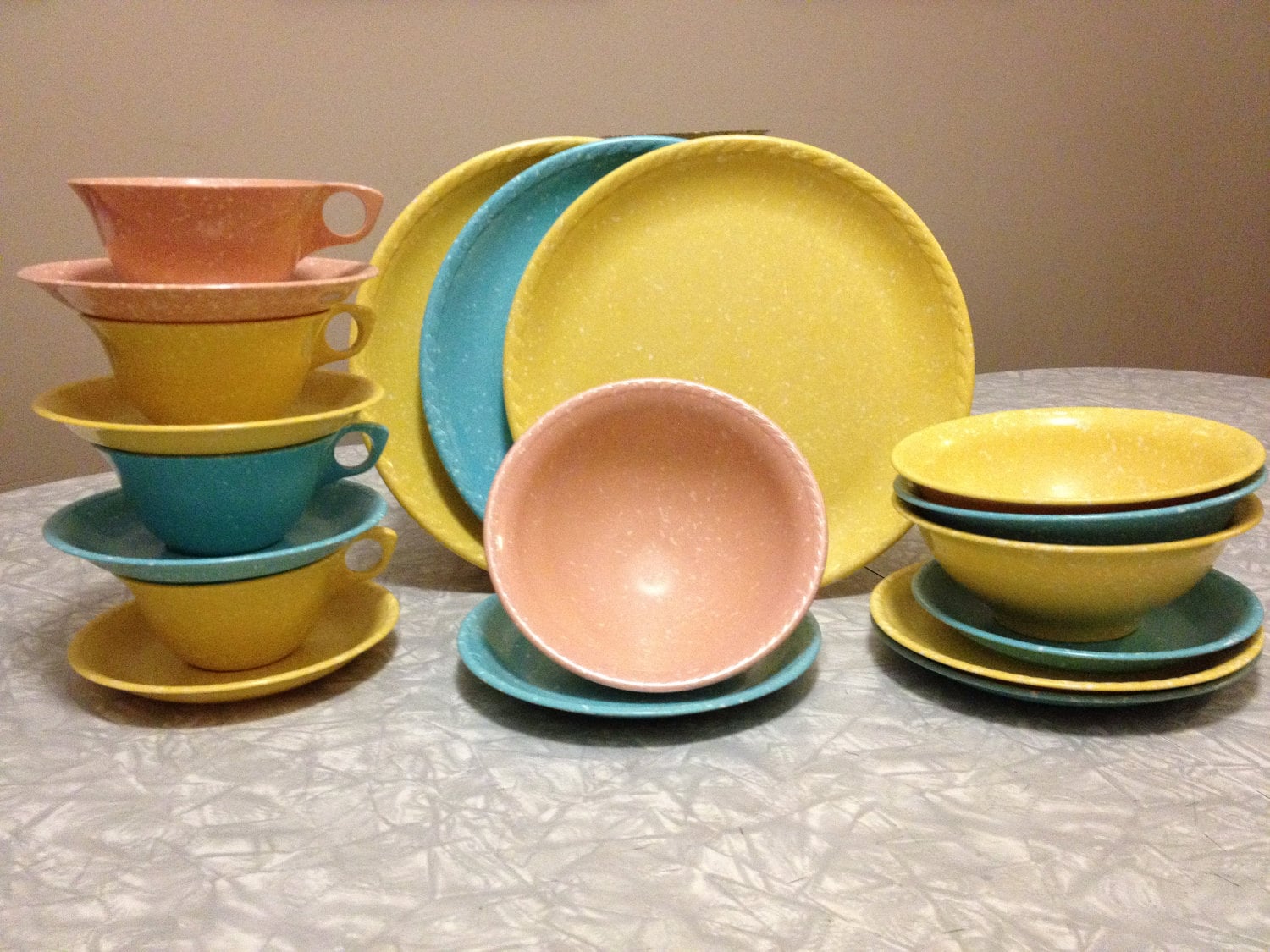
Many collectors turn their nose up at the Canadian lookalikes, but not me. I embrace them in my collection. It's fun to add the Canadian Lookalikes to your growing collection, as you will find VIBRANT colors different than their American counterparts.  As well, they are more rare and hard to find because they weren't produced in the same quantities as American pieces.  Finding them can prove fun and challenging.
This Canadian melmac was called Vogue, and was popular. I love the style, but if you look carefully at the braided edge, reminds me of a very rare Texasware pattern that had braiding on the edge.  Grab it at AllThatJazzEmporium


Same theory applies to (a few of the many 'almost exact but not quite' pieces ): 
Russel Wright Meladur eventually Lapcor made in Canada under Rainboware
Coloramic which looks like Branchell Colorflyte, by Kaye Lamoyne
Moderne which looks like Joan Luntz' Brookpark and Arrowhead
Boontonware lookalikes that are unmarked...resembling the Belle Kogan styles

Plastic Living Website


Wednesday, February 22, 2012

Old Plastic Signs Find Homes Again

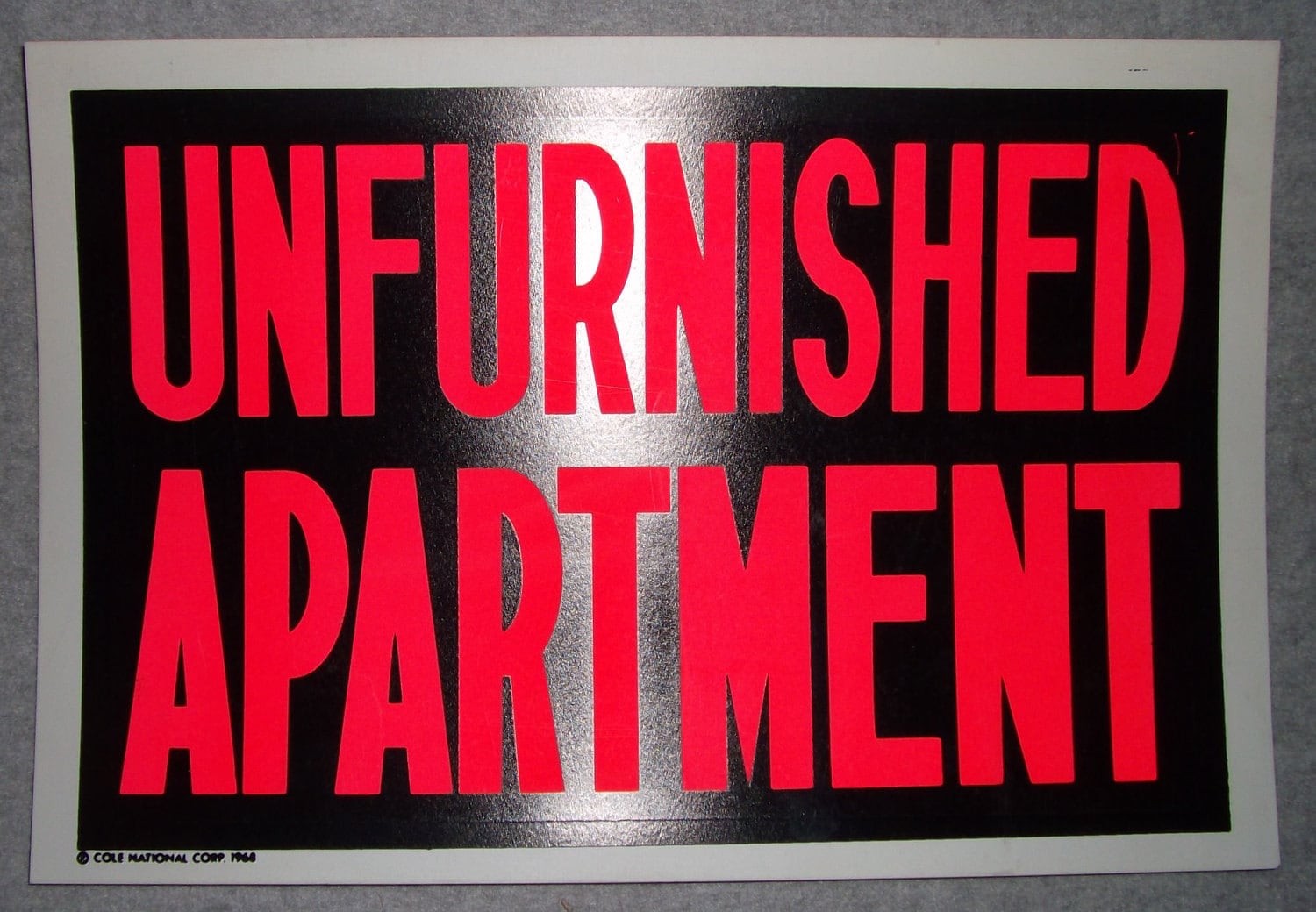
Old apartment sign, from vintagesweaters1 on Etsy.

Vintage plastics that are extremely collectible like bakelite jewelry, melamine dinnerware, kitchenwares, or old radios are a given, but what about the items we don't give much thought to?  You know the ones...we don't stop to think much about, or take for granted every day?  If you stop what you are doing right now and look around to see how much plastic (or forms thereof) are really around us. Are your keyboard buttons on your computer plastic? What about your cellphone cover?  Your slipper or shoe soles? Your cable remote ? The door to your microwave?  A connector on your pet's collar? Your child's toys? The flat on your mailbox? The mud flaps on your truck or bumper on your car? Here today, gone tomorrow, what will be vintage in fifty years?
vintage plastic sign numbers
Old plastic sign numbers from Chomp Monster on Etsy, surely they have a use for something!

The goal is to keep these old plastics out of the landfills and find a use for them.  There's a whole bunch of crafters and artists who would love to get their hands on the old sign letters above, for use in artwork and scrapbooking. A new hip trend is merging them into your design and decor.
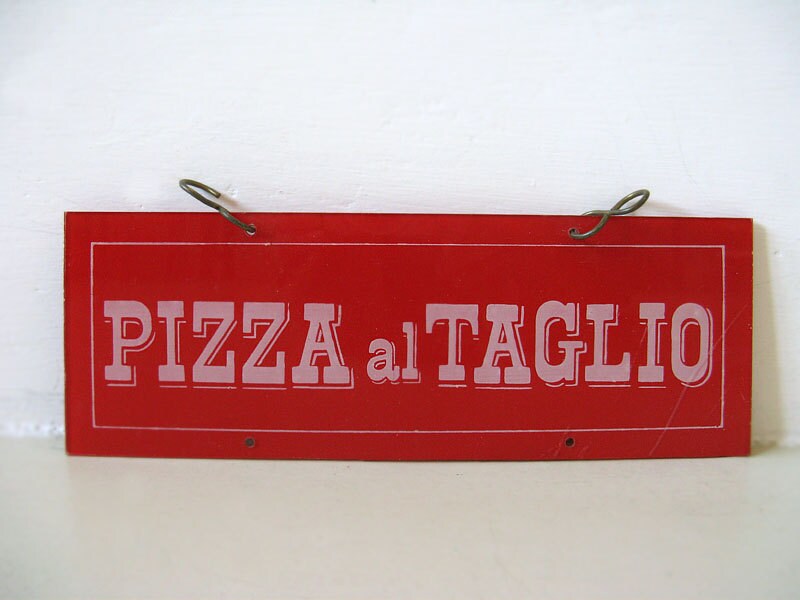
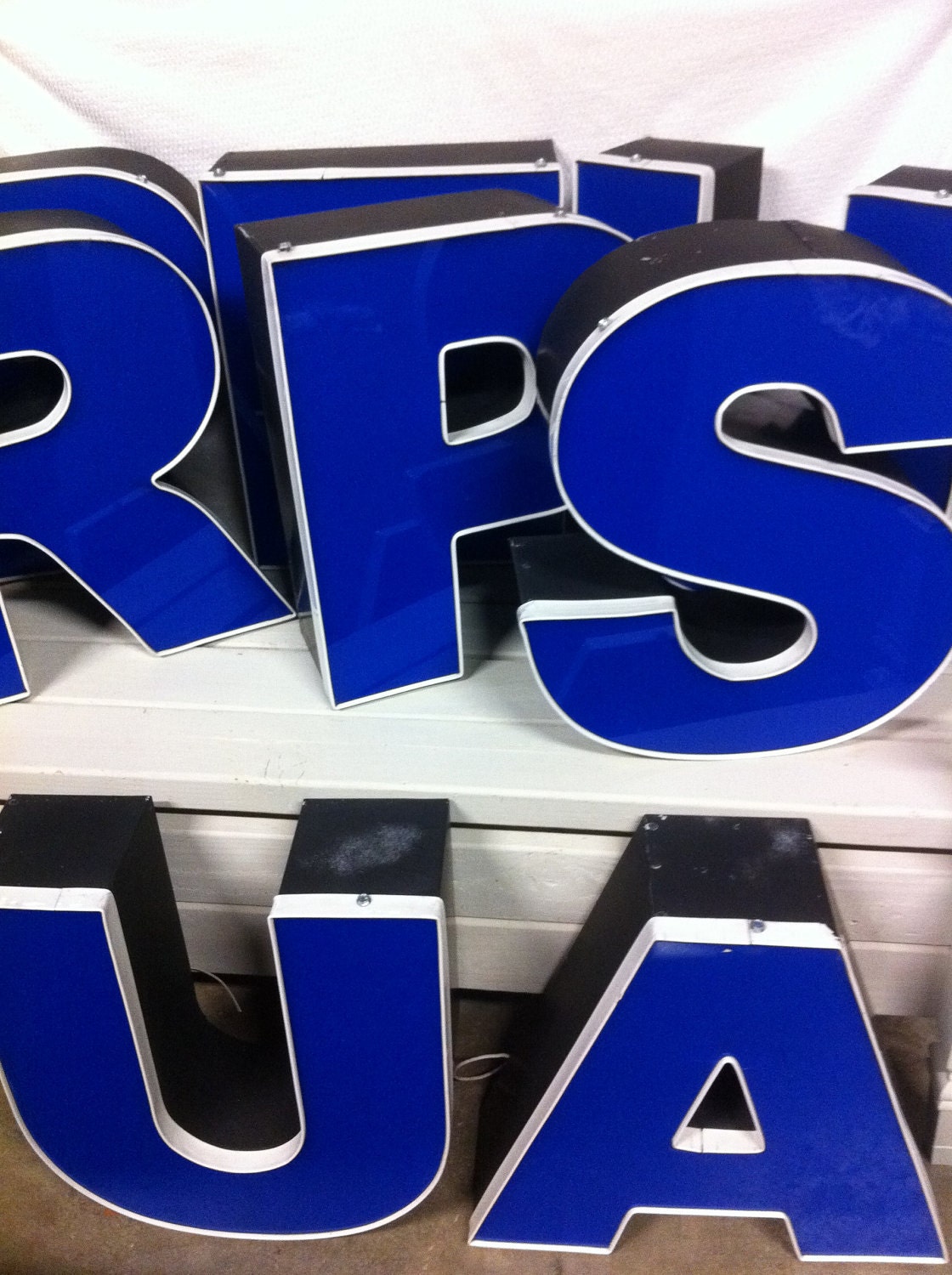
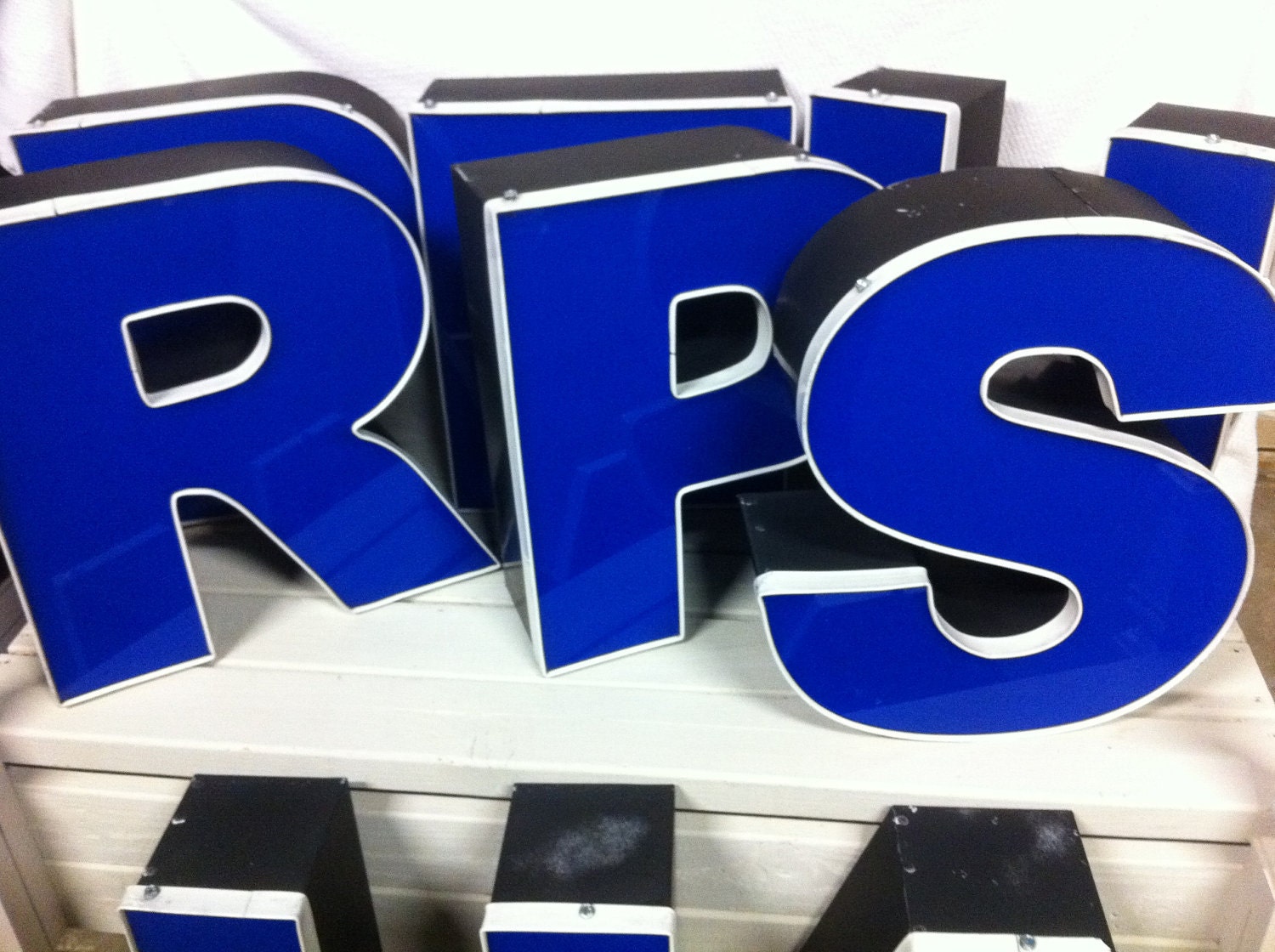
 I wish I had this in my Italian Kitchen, it is the equivalent of "Pizza Pieces" found at hlalalebrocantage on Etsy! In fact, if you look hard enough you can really vintage-tize your home by shopping for old plastic store signs, or parts thereof.  Nothing like making a statement with a giant plastic letter!   I was writing this post and literally bought two of these giant blue letters (below). Not only will they look great in my home as a statement but husband will be perplexed by them so it makes it all worthwhile.  Dare to be different.


These gorgeous blue big letter signage ($26 each) at vinagecollectorlover on Etsy are a must have to make a statement. The signs are metal cased but the plastic makes them pop. Would love to sit on next to my vintage glove mold for a modern look!  You can even decorate other rooms in the home. Hey, what about this on your bathroom?
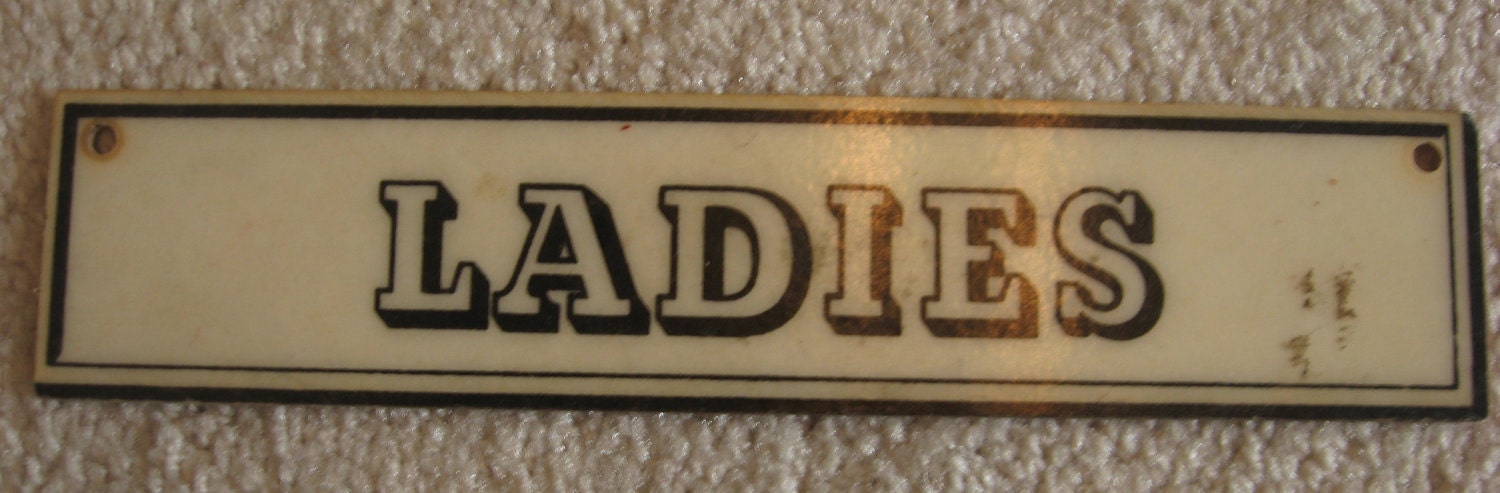
  MojeArt on Etsy offers this sign. Reminds me of something you would have seen in an old diner.

Lately I've seen a lot of people selling old gas station signs. Think of how many gas stations there are and how many giant plastic numbers that are floating around out there. Surely you could find something do with them?  They really look good if placed properly. 
 This great numeral from a gas station is rigid plastic and found at simplychi on Etsy.

The bottom line is dare to be different and merge a little plastic into your life. You won't be sorry. Signs are the new trend, and they don't always have to be wood or metal.